
Housing in the U.S.
Housing Assistance
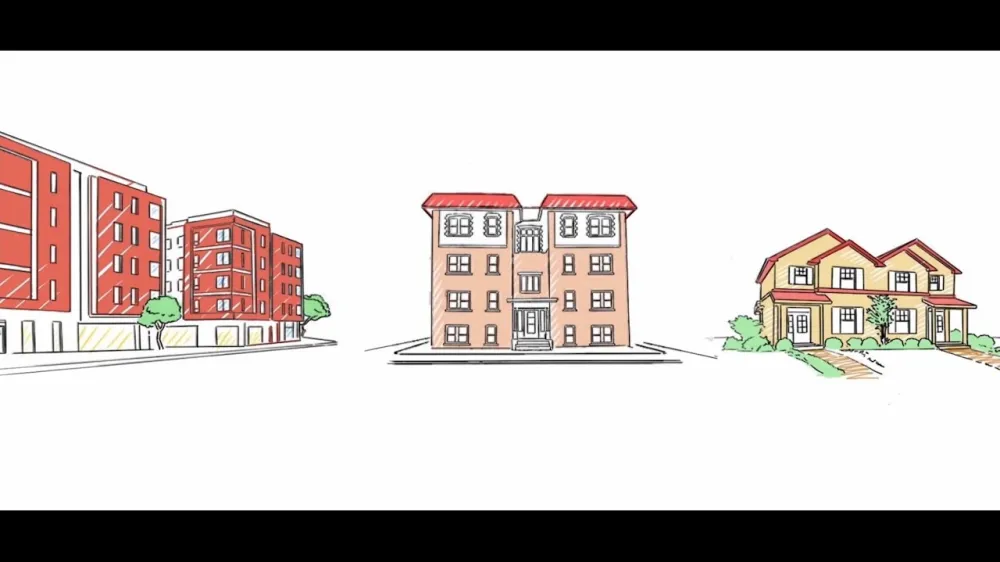
Housing assistance in the United States can be limited and often includes waitlists. These programs are usually managed by state or local government agencies, such as public housing authorities, and sometimes by nonprofit organizations. If you need help, you can start by contacting your local public housing authority or a community-based organization that supports newcomers.
Eligibility for housing assistance programs varies, and applicants must meet specific income guidelines to qualify. If your income is limited, your first home in the United States may not meet all your preferences, such as the size of the home for your family, location near work or community, or affordability. Over time, as your situation improves, you may be able to choose a home that better meets your needs.
Furnishings
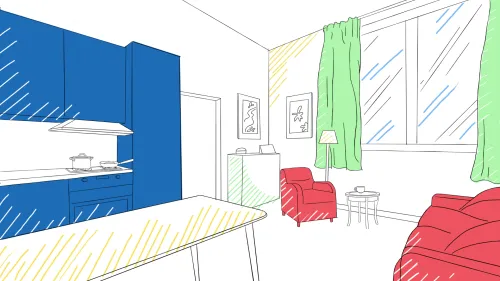
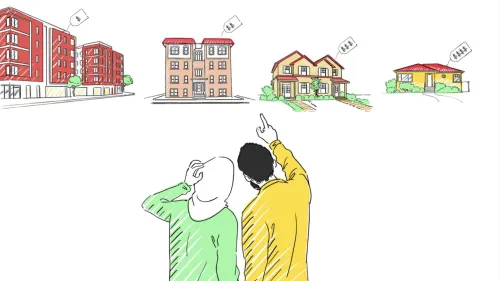
Furnishing a home can be challenging, but there are strategies and resources available to help newcomers in the U.S., including furniture banks, thrift stores, online marketplaces, and community or nonprofit organizations. These organizations vary by city, so exploring your local options will be key in minimizing this expense. Keep in mind that many of your initial household items may be used rather than brand-new. Once you have a stable income, you can choose items that better fit your liking and budget.
Housing Costs
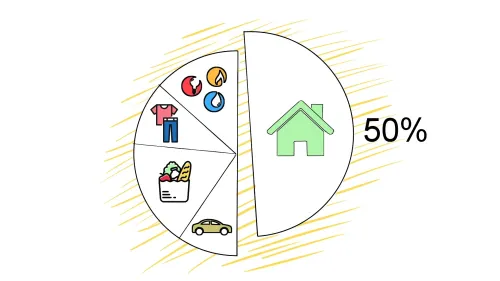
Housing in the United States is expensive, and finding a place to live can be challenging. It's common for people to rent houses or apartments. Housing costs vary widely depending on the state, city, and neighborhood. No matter where you live, housing will likely be your largest monthly expense.
Housing Rights and Responsibilities
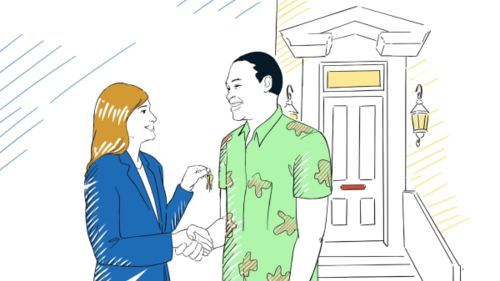
In the United States, both tenants and landlords have rights and responsibilities. When you rent an apartment or a house, you must sign an agreement called a lease. In the lease, you are considered the tenant, and you agree to rent the property for a certain amount of time, pay the rent and utilities on time, and maintain the property.
At the same time, you have important rights as a tenant. These may include the right to:
- Live in a safe and habitable home
- Receive written notice before rent increases or eviction
- Review and understand your lease before signing
- Request repairs for unsafe or unhealthy conditions
- Have your security deposit returned (minus any valid deductions)
- Due process before being evicted
If you have questions or concerns, you can contact your local housing authority, legal aid office, or a community organization that supports renters.
Landlord Responsibilities
Housing laws apply to both landlords and tenants. Landlords must make sure their housing meets certain standards of safety and sanitation for rental property. The landlord must be sure that electrical, plumbing, and heating systems are in good condition. They must provide smoke detectors and make sure there aren't any rodents or insects. Housing laws also state that landlords cannot refuse to rent to people because of their race, nationality, religion, sex, family situation, or physical or mental condition.
Moving
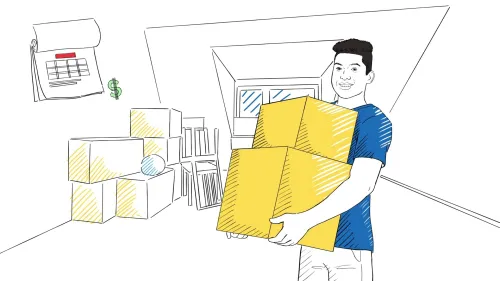
If you decide to move, you'll need to inform your landlord ahead of time as required by your lease agreement. Breaking the lease you signed (vacating the apartment before the lease term is over) could result in a fine and could negatively impact your credit rating. Moving can be expensive, so make sure you can afford it before ending your lease.
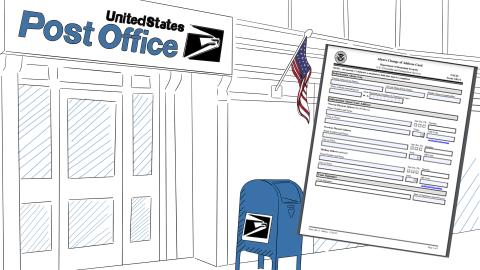
When you move to a new address, it's important to notify both the U.S. government and the United States Postal Service (USPS). This helps ensure you continue receiving important mail and that your immigration records stay up to date. If you are receiving public benefits such as SNAP or Medicaid, you must also update those state agencies when moving.
Being a Good Neighbor
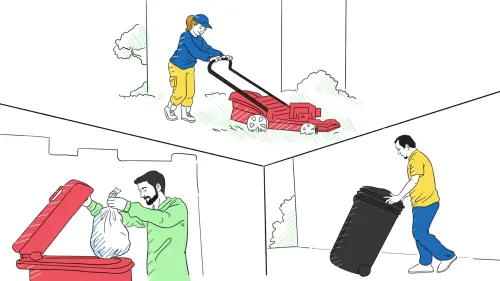
A good neighbor in the United States is someone who is considerate of people who live nearby. If you live in an apartment, you should keep common areas clean. If you live in a house, you must keep your lawn neat and only put out trash on trash collection days.
Being a considerate neighbor means that you must keep noise levels at a minimum at night so that you do not disturb your neighbors. Establishing a new home in a new community is not easy and may look different from what you are used to. With time, patience, and support, you can adapt to your new environment and create a home where you feel safe and comfortable.
Up-to-date information
Find out more
In the U.S. many people rent homes or share housing. When you look for housing, understanding your budget, your location’s...
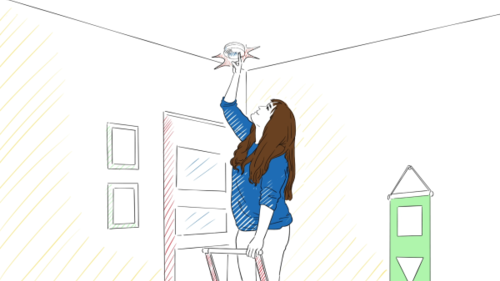
Knowing how to manage home safety is important – for you, those you live with, and your neighbors.
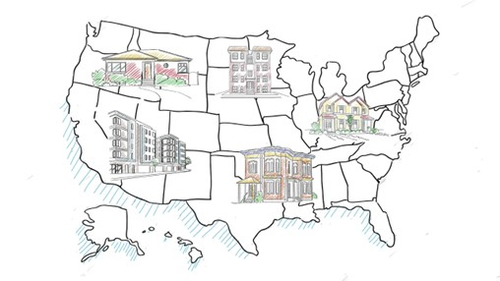
When you arrive in the United States, you should be aware that your housing may not look like housing you...