
Changes to Medicaid and CHIP: A Guide for Newcomers

On October 1, 2026, federal funding rules for Medicaid and the Children’s Health Insurance Program (CHIP) changed. These changes may affect some newcomers in the United States. You may receive an official notice saying that your health care coverage will change or end.
You may still have options for health care coverage or lower-cost care. But your options depend on your immigration status, income, age, pregnancy, household size, and the state where you live. This Settle In guide explains what changed, what other coverage or lower-cost care may be available, and what you can do now.
Important: Do not cancel your current health care coverage because of this article. Wait for an official notice from your state Medicaid or CHIP program. If you don’t understand the notice, ask a trusted health insurance navigator or resettlement provider to review it with you. Rules vary by state and individual circumstances.
What are Medicaid and CHIP?
- Medicaid is a government program that provides free or low-cost health coverage for eligible people with low incomes
- CHIP is a government program that provides free or low-cost health coverage to eligible children, and in some states, pregnant people
What is changing?
As of October 1, 2026, federal funding for full Medicaid and CHIP coverage is limited to fewer immigration categories. This change may affect some refugees, asylees, survivors of human trafficking, and humanitarian parolees, among others.
Eligibility Overview
| Immigration category | What may happen to federally funded Medicaid or CHIP coverage after October 1, 2026 |
| Lawful permanent residents (green card holders), if they meet the program’s other rules | May remain eligible |
| Cuban and Haitian Entrants, if they meet the program’s other rules | May remain eligible |
| Iraqi and Afghan Special Immigrants, if they meet the program’s other rules | May remain eligible as lawful permanent residents or through another qualifying category |
| Refugees, asylees, certain survivors of human trafficking, some humanitarian parolees, and certain other newcomers who do not have another qualifying status | May no longer qualify for federally funded full Medicaid or CHIP coverage |
This table is only a general guide. Children and pregnant people may still qualify in states that use a special option under Section 214 of the Children’s Health Insurance Program Reauthorization Act (known as CHIPRA 214). Some states also pay for their own health programs. Your state Medicaid or CHIP agency must review your case before changing your coverage.
If you later become a lawful permanent resident, ask a benefits specialist to check your eligibility again. Some immigrants may remain exempt from the usual five-year waiting period for full Medicaid or CHIP coverage if they later become lawful permanent residents. Other groups may also qualify for an exemption.
What should I do now?
- Open every letter from Medicaid, CHIP, or your health insurance program. Look for a deadline or a request for documents.
- Make sure your state Medicaid or CHIP agency has your current address, phone number, and email. If you moved, update your information right away.
- Send requested documents by the deadline. Keep a copy or photo of every document you submit.
- Ask for free help. Contact your resettlement provider, caseworker, state Medicaid or CHIP office, or health insurance navigator for guidance.
- Do not ignore a notice ending coverage. Contact your state Medicaid or CHIP agency to find out why your coverage is ending, when it will end, and whether you can appeal the decision.
- Plan for medications and ongoing care. If you take medications regularly or need ongoing care, contact your health care provider before your coverage changes about the care you may need, whether you can get a 90-day supply of your medication, and how to continue receiving care afterward.
- Look for free or lower-cost care. Search for a nearby community health center using the HRSA Find a Health Center tool or a free or charitable clinic using the National Association of Free & Charitable Clinics’ Find a Clinic tool.
- Apply for another health insurance plan before your current coverage ends. Losing Medicaid or CHIP may allow you to enroll in a Marketplace plan (private health insurance available through HealthCare.gov or your state’s Marketplace website) or other health insurance plan outside the regular enrollment period. Apply as soon as possible to help you stay covered.
- Check on any pending immigration applications. If you have applied for a green card, or may be eligible to apply, contact your lawyer or legal services provider to discuss the end of your health care coverage.
Up-to-date information
Find out more
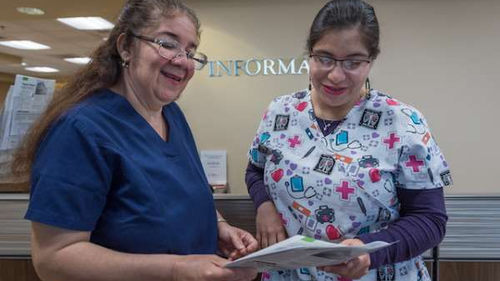
The health care system in the United States is complex, so you may find it difficult to understand how it...