
Understanding Artificial Intelligence: A Guide for Newcomers
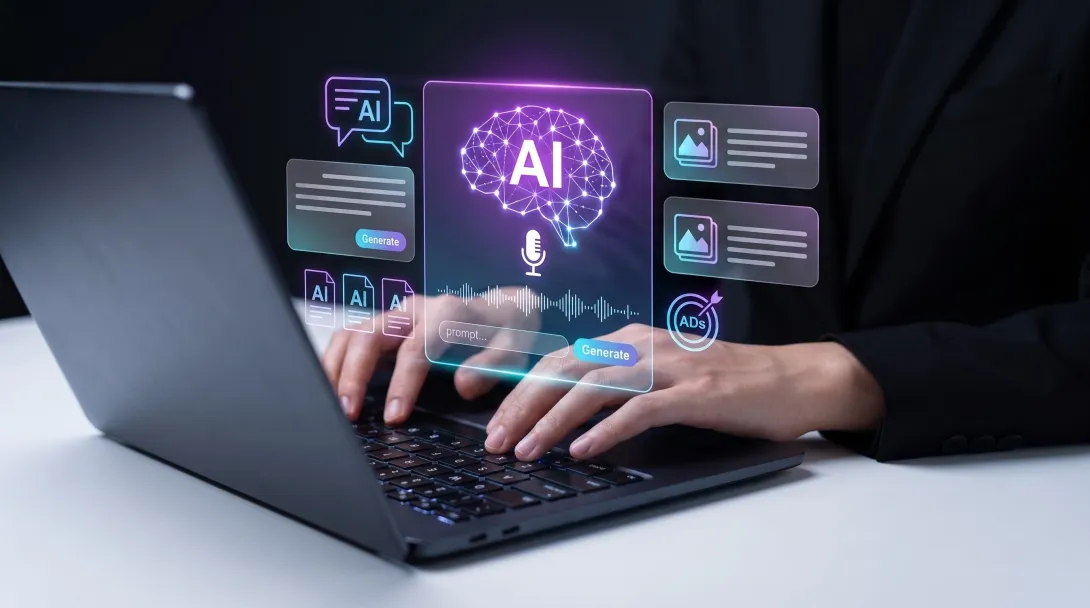
AI stands for artificial intelligence. AI is a type of technology that can help people with certain tasks. For example, it can answer questions, find information online, and translate text. You may already use AI without realizing it when searching for information online, using a translation app, getting directions, or chatting with a customer service assistant.
Organizations and businesses may also use AI tools to support tasks such as translation, communication, customer service, and organizing information. Unlike a regular search engine, some AI tools create new responses instead of simply showing existing websites or information.
Examples of AI in everyday life
You may find AI in many places, including:
- Translation and interpretation tools
- Voice assistants such as Siri and Alexa
- Customer service chatbots
- Navigation and map applications
- Online search tools
- Writing and learning assistants
- AI chatbots such as ChatGPT, Gemini, Claude, and Microsoft Copilot
- Email programs that suggest replies
AI is often working behind the scenes to help people complete tasks more quickly and easily.
How AI can help newcomers
AI can be a useful tool as you adjust to life in the United States.
For example, AI may help you:
- Practice English
- Translate information
- Understand unfamiliar words
- Write emails or messages
- Create resume templates and improve drafts
- Prepare for a job interview
- Learn new skills
- Research jobs and training opportunities
- Organize information and notes
AI can help you get started, but it should not replace your own judgment, trusted sources of information, or professional guidance.
Using AI
If you use an AI tool, you can start with simple questions by typing or speaking to it.
For example:
- Can you explain this word in simple English?
- Can you help me practice for a job interview?
- Can you summarize this article?
- Can you translate this sentence?
- Can you help me create a weekly schedule?
What AI cannot do
AI is a helpful tool, but it has limitations.
AI sometimes:
- Makes mistakes
- Provides outdated information
- Misunderstands questions
- Misses important details
- Gives answers that sound correct but are wrong or incomplete
AI also does not understand your personal situation the way a trusted professional, service provider, teacher, doctor, or lawyer can.
If something doesn’t seem right, check with a trusted source before acting on the information. This is particularly important for:
- Legal or immigration matters
- Medical questions
- Financial decisions
- Government benefits and services
Protecting your privacy
Before using an AI tool, think carefully about what information you share. Some AI tools store or process the information you enter, and different tools may handle it in different ways.
Do not enter sensitive personal information such as:
- Social Security numbers
- Immigration case numbers
- Passport numbers
- Banking information
- Credit card numbers
- Passwords
- Other private personal information
If you are unsure how an AI tool handles your information, review its privacy practices and avoid sharing sensitive details.
This can help protect your personal information and reduce the risk of identity theft, fraud, and scams.
AI, service providers and your information
Some organizations may use AI tools to support services.
For example, AI may help staff with:
- Translating non-sensitive written content as a first draft
- Summarizing documents or notes
- Searching for resources and information
- Creating templates for common communications
AI tools may support staff, but people continue to play an important role in providing services and reviewing information for accuracy.
If you have questions about how an organization uses technology or protects your information, ask a staff member.
Asking questions can help you better understand how technology is used and how your information is protected.
Questions you can ask
If an organization uses AI tools, it is OK to ask questions.
You may want to ask:
- How is my information protected?
- Can I opt out?
- Will my information be shared with other organizations?
- How do staff review information created by AI?
- Who can answer questions about privacy and data use?
- What should I do if I think information is incorrect?
Misinformation and scams
Not everything created with AI is accurate.
AI can create realistic text, images, videos, and audio recordings.
Sometimes AI-generated content can look or sound real even when it is not.
Scammers may use AI to create convincing messages, images, or recordings.
Be careful if someone:
- Asks you for money
- Requests personal information
- Claims there is an emergency
- Pressures you to act immediately
Before believing or sharing important information, check trusted sources and verify the information whenever possible.
Tips for using AI responsibly
AI can be a helpful tool to support learning, research, and everyday tasks.
However, it should not be your only source of information because AI can make mistakes or provide inaccurate or outdated information.
Here are some tips:
- Ask clear questions and give enough details to help the AI tool understand what you are asking
- Compare information from multiple sources
- Verify important information
- Use trusted websites and organizations
- Protect your personal information
- Review AI-generated content carefully before using or sharing it
- Ask questions if something seems unclear
Switchboard contributed to the content and review of this article.
Disclaimer: The content on this website is developed by Settle In, is in the public domain, and may be reproduced. This article provides general information about artificial intelligence (AI) for educational purposes only. It is not a substitute for legal, medical, financial, immigration, or other professional advice.
The IRC received competitive funding through the U.S. Department of Health and Human Services, Administration for Children and Families, Grant #90RB0053. The project is 100% financed by federal funds. The contents of this article are solely the responsibility of the authors and do not necessarily represent the official views of the U.S. Department of Health and Human Services, Administration for Children and Families.
Amakuru agezweho
Menya byinshi

Ikoranabuhanga ryahinduye ubuzima ku isi. Kandi rizahindura n'ubuzima bwawe uri muri Leta Zunze Ubumwe z'Amerika, nubwo waba utazi gukoresha za...

Social media helps you stay connected to friends and family. It also comes with real risks of fraud and exploitation...

When people flee due to war and conflict, they often use social media to stay updated and gather information from...